Carry Documents
Bring prescriptions, reports, ID proof, insurance details, current medicines, and previous discharge summaries if applicable.

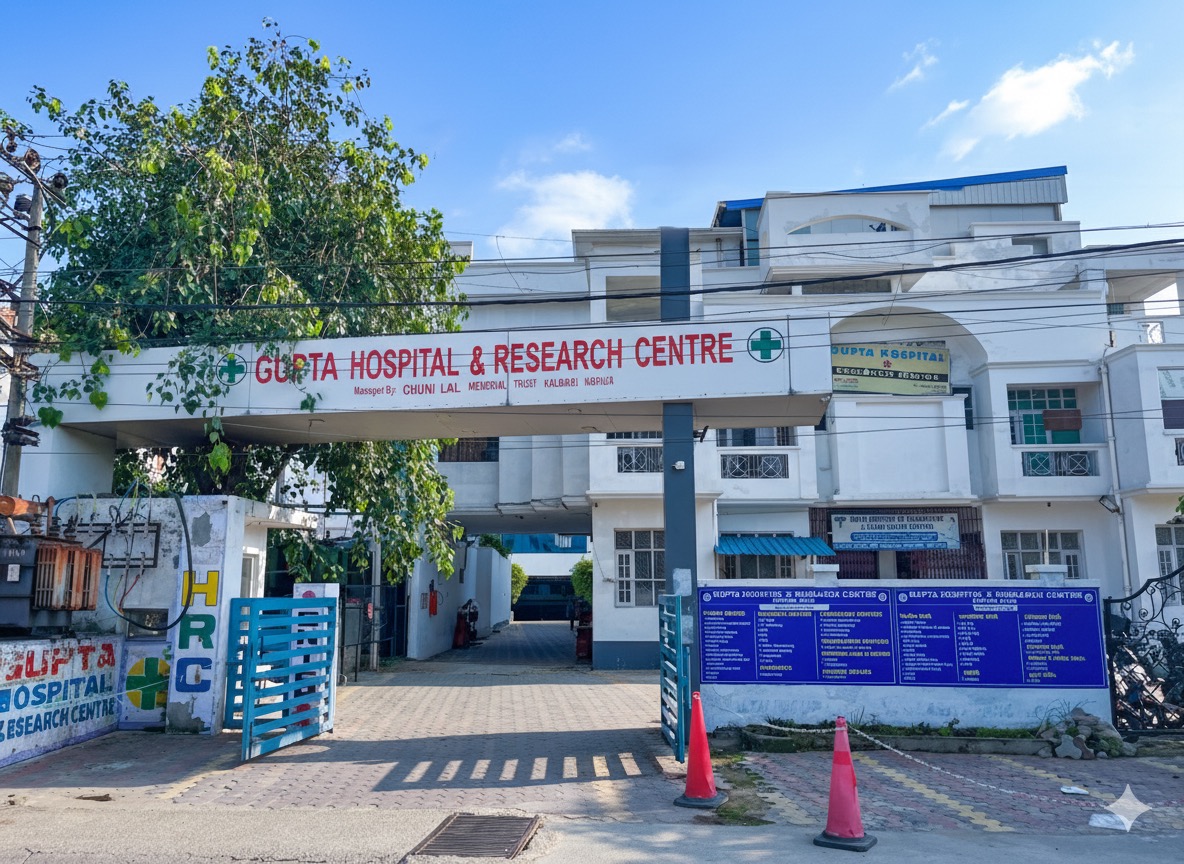
A little preparation helps patients and attendants complete registration, consultation, admission, reports, billing, and follow-up with less confusion.
Bring prescriptions, reports, ID proof, insurance details, current medicines, and previous discharge summaries if applicable.
OPD, diagnostic, report, and doctor availability can change, so confirm before visiting whenever possible.
Follow hospital instructions for hygiene, visitor movement, mask use when required, infection control, and patient safety.
Important instructions to make hospital visits safer, smoother, and better coordinated.
Patients visiting OPD should confirm timing, carry records, arrive early for registration, and inform the doctor about allergies, ongoing medicines, pregnancy, chronic diseases, and previous procedures.
For emergencies, do not wait for OPD appointments. Chest pain, stroke symptoms, severe breathlessness, trauma, seizures, heavy bleeding, poisoning, or pregnancy emergencies need immediate medical attention.
During admission, attendants should support documentation, consent, billing, insurance formalities, medicine information, diet instructions, and communication with nursing staff.
Reports should always be shown to the treating doctor for interpretation. At discharge, families should understand medicines, diet, wound care, warning signs, and follow-up date before leaving.
Call the hospital help desk if you are unsure about OPD timing, reports, admission, or insurance process.
Carry all medical documents and current medicines during every visit.
For emergency symptoms, go directly to emergency care instead of waiting for routine consultation.