
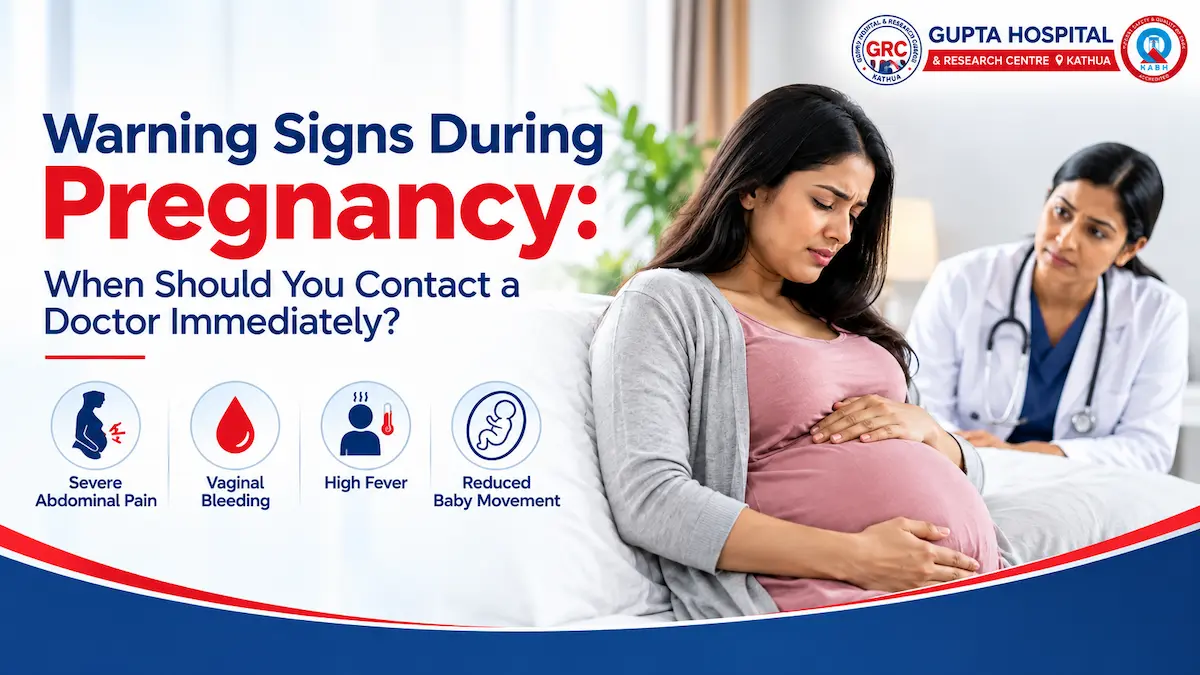
There are many changes in your body during pregnancy, but some of the symptoms need urgent medical care. Similarly, warning signs during pregnancy include: heavy bleeding; severe or persistent abdominal pain; chest pain; severe headache; fluid leakage; fever; or reduced baby movement. These symptoms can sometimes be a sign of a pregnancy complication and should not be ignored. If a symptom seems unusual or severe or gets worse suddenly, do not wait for your next appointment. Call your doctor or get urgent medical care.
Are you wondering whether a pregnancy symptom is normal or a warning sign that needs immediate medical attention?
Pregnancy brings many changes, and symptoms like tiredness, nausea, back pain, or mild swelling can be common. But when a symptom feels unusual, severe, or suddenly gets worse, it can be difficult to know whether to wait or contact your doctor.
“It is crucial to monitor for any abnormal symptoms during pregnancy and get prompt medical evaluation if required,” says Dr. Sonika Nayyar, MBBS, DGO, MRCOG, Consultant, Gupta Hospital & Research Center. Understanding the warning signs during pregnancy will help you determine which symptoms require routine care and which may require urgent attention.
If you are unsure whether a symptom is normal or concerning, this blog will help you recognise important pregnancy danger signs, including bleeding during pregnancy, fluid leakage, severe pain, and reduced baby movement, and understand when you should contact a doctor immediately.
Which Pregnancy Symptoms Need Immediate Medical Attention?
Not every unusual symptom means something is seriously wrong. However, some symptoms need medical evaluation because they can be linked with pregnancy complications.
Call a doctor or get emergency help right away if you have any of the following:
- Heavy vaginal bleeding or bleeding that is more than spotting
- Severe or continuing abdominal pain
- Severe headache, especially with blurred vision or dizziness
- Difficulty breathing or chest pain
- Discharge from the vagina
- Your baby’s movements slow down or stop after you’ve started feeling regular movements
These are important pregnancy emergency symptoms as they may need rapid assessment and treatment. CDC (Centers for Disease Control and Prevention) recommends that pregnant women get medical care immediately when urgent maternal warning signs occur.
Why Is It Important to Recognise Pregnancy Warning Signs?
Pregnancy changes the body in many ways, so it is easy to assume that every new symptom is simply part of being pregnant. But some symptoms can signal problems affecting the mother, the baby, or both.
Recognising pregnancy danger signs early gives you a better chance of receiving the right care without unnecessary delay. The CDC also advises pregnant women to speak with their healthcare provider if something feels unusual or worrying, even if they are unsure whether it is serious.
The goal is not to become anxious about every small change. It is to know which changes deserve attention.
Normal Pregnancy Discomfort or Warning Sign?
Some symptoms are common during pregnancy, while others need medical assessment. The difference often depends on how severe the symptom is, whether it is getting worse, and whether other symptoms appear with it.
| Common Pregnancy Discomfort | Possible Warning Sign |
| Mild backache | Severe or worsening back or abdominal pain |
| Mild nausea | Severe vomiting with inability to keep fluids down |
| Mild ankle swelling | Sudden or extreme swelling of the face or hands |
| Occasional mild cramps | Severe or persistent abdominal pain |
| Mild tiredness | Sudden, overwhelming weakness or extreme tiredness |
| Mild breathlessness with activity | Sudden or severe difficulty breathing |
First-Trimester Warning Signs
The first trimester brings many normal symptoms, including nausea, vomiting, tiredness, and mild cramping. However, certain changes need medical attention.
Bleeding during pregnancy should be discussed with your doctor, particularly when it is heavy or accompanied by pain, dizziness, or weakness. Severe abdominal or pelvic pain, fainting, shoulder pain, or significant bleeding can require urgent assessment.
Severe vomiting is another concern when you cannot keep food or fluids down. The CDC lists severe nausea and vomiting with an inability to drink or keep fluids down among urgent maternal warning signs.
Do not wait for your next routine appointment if symptoms suddenly become severe or feel very different from what you normally experience.
Second- and Third-Trimester Warning Signs
As pregnancy progresses, some warning signs become particularly important.
Contact your healthcare provider promptly if you develop a severe headache, vision changes, sudden swelling of the face or hands, vaginal bleeding, fluid leakage, severe abdominal pain, or reduced baby movement.
A fever of 38°C (100.4°F) or higher is also an urgent warning sign listed by the CDC (Centers for Disease Control and Prevention).
Which Pregnancy Symptoms Are Medical Emergencies?
Some symptoms require immediate emergency care rather than waiting for a routine appointment.
-
Heavy Vaginal Bleeding
Light spotting can have different causes during pregnancy, but bleeding that is heavy, similar to a period or more, needs urgent medical assessment.
Heavy bleeding may occur with other symptoms such as severe abdominal pain, dizziness or weakness. Do not wait at home to see if it stops.
-
Seizures, Collapse or Unconsciousness
A seizure, fainting episode, collapse, or loss of consciousness during pregnancy is not something to monitor at home.
Seek emergency medical care immediately. These symptoms may have several possible causes and require prompt assessment to protect both mother and baby.
-
Severe Difficulty Breathing or Chest Pain
Sudden or severe difficulty breathing, chest pain, a fast-beating heart with dizziness, or trouble catching your breath should be treated seriously.
The CDC lists trouble breathing and chest pain or a fast-beating heart among urgent maternal warning signs.
-
Severe or Persistent Abdominal Pain
Mild discomfort can happen during pregnancy, but severe, sudden or persistent abdominal pain needs medical assessment.
Seek urgent care if the pain is getting worse, does not go away, or occurs with bleeding, fever, vomiting, dizziness or other concerning symptoms.
When Does Bleeding During Pregnancy Need Urgent Assessment?
Bleeding during pregnancy can have different causes depending on the stage of pregnancy and the amount of bleeding.
-
Bleeding in Early Pregnancy
Spotting can occur in early pregnancy and does not always mean that something is wrong. However, bleeding with severe abdominal pain, dizziness, fainting, or increasing discomfort needs urgent medical assessment.
Do not try to determine the cause based only on the amount or colour of blood. Your doctor may need to assess your symptoms and pregnancy before deciding what is happening.
-
Bleeding Later in Pregnancy
Bleeding later in pregnancy should be reported promptly, particularly if it is heavy or occurs with abdominal pain, contractions, weakness, or other unusual symptoms.
The CDC advises immediate medical care for vaginal bleeding during pregnancy when it is more than spotting.
What Does Fluid Leakage During Pregnancy Mean?
Fluid leaking from the vagina during pregnancy can have different causes, but it should not simply be assumed to be normal discharge or urine.
If you notice a sudden gush or continuous leakage of watery fluid, contact your maternity care provider promptly. Fluid leakage can sometimes indicate that the membranes around the baby have ruptured.
The CDC includes fluid leaking from the vagina among urgent maternal warning signs.
What Should You Do if Your Baby Is Moving Less Than Usual?
Once you regularly feel your baby’s movements, you become familiar with your baby’s usual pattern.
If you notice that your baby is moving less than usual or the movements have stopped, contact your maternity care provider promptly. Do not wait until the next day simply because there is no fixed number of movements that every baby must make.
The important concern is a change from your baby’s usual movement pattern.
Which Labour-Related Signs Require Contacting the Hospital?
As the due date gets closer, contractions and other changes can naturally occur. However, contact your maternity team if you have regular painful contractions that are becoming stronger or closer together, fluid leakage, vaginal bleeding, or other symptoms that make you think labour may be starting.
If these signs occur before 37 weeks, they may indicate preterm labour and need prompt assessment.
Do not wait for contractions to become unbearable before contacting your healthcare provider if you are concerned about early labour.
What Should You Do When a Warning Sign Appears?
If you notice a possible warning sign, stay calm but do not ignore it.
- Contact your doctor or maternity team for guidance.
- Seek emergency care for severe or life-threatening symptoms.
- Tell the healthcare team that you are pregnant and how many weeks pregnant you are.
- Explain when the symptom started and whether it is getting worse.
- Keep your previous reports, prescriptions and pregnancy records available.
- Do not delay urgent care while trying to identify the problem yourself.
The CDC advises women to speak up when something does not feel right and seek immediate medical care when an urgent maternal warning sign appears.
Maternity and Emergency Pregnancy Support at GHRC Kathua
Gupta Hospital & Research Centre in Kalibari, Kathua, has a Gynecology & Obstetrics department that provides pregnancy care, maternity support, and gynecological evaluation. The hospital also has 24×7 emergency services, ICU, ambulance, pharmacy, and diagnostic support.
The hospital currently lists Dr. Sonika Nayyar, MBBS, DGO, MRCOG, as a Consultant, with gynecology and obstetrics services available through the hospital.
For a pregnancy emergency, do not wait for a routine OPD appointment. Contact GHRC at +91 9419150250 or seek immediate emergency medical care when symptoms are severe.
Conclusion
Knowing the warning signs during pregnancy does not mean worrying about every small change. It means knowing when a symptom needs more attention.
Remember these important points:
- Bleeding during pregnancy, especially bleeding that is more than spotting, needs medical assessment.
- Severe headache, vision changes, sudden swelling, breathing difficulty or chest pain should not be ignored.
- Severe or persistent abdominal pain can require urgent evaluation.
- Fluid leakage from the vagina should be reported to your maternity care provider.
- A noticeable reduction or stopping of your baby’s usual movements needs prompt assessment.
- If something feels unusual or seriously wrong, contact your healthcare provider instead of waiting for the next appointment.
At Gupta Hospital & Research Centre, Kathua, maternity and gynecology care is supported by specialist consultation and hospital emergency facilities. If you experience worrying pregnancy symptoms, timely medical assessment is more important than trying to guess whether the symptom is normal.
FAQs
Is spotting always dangerous during pregnancy?
No. Spotting can occur for different reasons, particularly in early pregnancy, and it does not always mean there is a serious problem. However, bleeding that becomes heavy or occurs with severe pain, dizziness, weakness or other concerning symptoms needs medical assessment.
When is abdominal pain during pregnancy concerning?
Abdominal pain needs urgent attention when it is severe, sudden, persistent or getting worse. It is especially concerning when it occurs with bleeding, fever, vomiting, dizziness, fainting or other unusual symptoms.
Is a severe headache normal during pregnancy?
A mild headache can occur during pregnancy, but a severe headache that does not go away, becomes worse, starts suddenly, or occurs with blurred vision or dizziness needs medical attention.
What should I do if my baby is moving less than usual?
Contact your maternity care provider promptly. There is no single number of movements that is normal for every pregnancy. A noticeable change in your baby’s usual movement pattern is what matters.
Does fluid leakage mean labour has started?
Not necessarily. Fluid leakage can have different causes, but a sudden gush or continuous leakage of watery fluid during pregnancy should be assessed by a healthcare professional because it may indicate that the membranes have ruptured.
When should swelling during pregnancy be considered a warning sign?
Mild swelling, especially in the feet and ankles, can occur during pregnancy. Sudden or extreme swelling of the hands or face is more concerning, particularly when it occurs with severe headache, vision changes or other symptoms. The CDC lists extreme swelling of the hands or face as an urgent maternal warning sign.
Can fever during pregnancy affect the baby?
A fever can have different causes and should not be ignored during pregnancy. The CDC considers a temperature of 38°C (100.4°F) or higher an urgent maternal warning sign, so contact your healthcare provider for appropriate assessment.
What are the signs of preterm labour?
Possible signs include regular contractions or tightening before 37 weeks, pelvic pressure, lower back pain, vaginal bleeding or fluid leakage. If you think labour may be starting early, contact your maternity care provider promptly for assessment.